Southall Broadway (UB2) Removals: Tips for Narrow Flats
Posted on 27/04/2026
Moving out of a compact flat in Southall Broadway, UB2 can feel straightforward on paper and awkward in real life. The hallway is tighter than you expected, the stairwell bends at the worst possible angle, and the sofa that looked perfectly normal in the lounge suddenly seems to have grown overnight. That is exactly why Southall Broadway (UB2) removals: tips for narrow flats matter: the right plan prevents damage, saves time, and makes the whole move far less stressful.
This guide focuses on the practical side of moving from narrow flats, maisonettes, upper-floor apartments, and shared buildings around Southall Broadway. You will find real-world advice on measuring access, packing for awkward corners, protecting furniture, choosing the right removal support, and avoiding the mistakes that tend to create delays. If you want a smoother move, a little planning goes a long way.
For readers comparing local help, you may also find it useful to look at flat removals in Southall, a flexible man and van option, or the broader services overview before you decide how much support you need.
Why Southall Broadway (UB2) Removals: Tips for Narrow Flats Matters
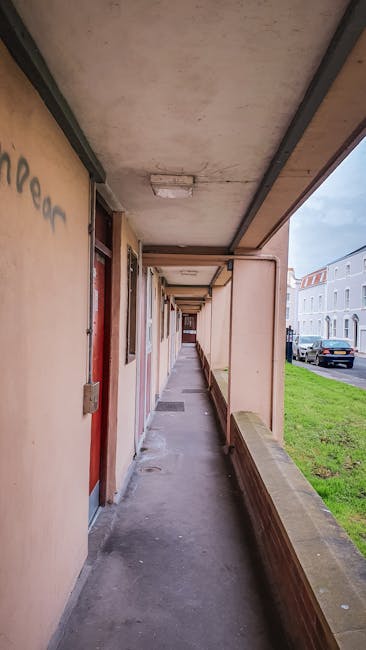
Narrow-flat removals are not difficult because of the distance travelled; they are difficult because of the space constraints. Southall Broadway includes a mix of older buildings, newer developments, and converted properties, and that often means tight internal staircases, small lifts, awkward entrance doors, limited parking, and shared access that can slow everything down.
When a move is squeezed into a narrow corridor or a steep stairwell, the risk profile changes. Furniture can scrape walls, box corners can crush delicate items, and one badly timed turn can block the route for everyone else in the building. That is why a move needs to be organised around access, not just load size.
The best narrow-flat removals do three things well:
- they reduce what needs to be carried;
- they prepare items for awkward angles and tight turns;
- they match the vehicle and crew to the building access, rather than guessing.
In practice, that means your moving plan should start at the front door and work backwards. If the sofa cannot pass the landing, it does not matter how neatly it is wrapped. If the bed frame cannot be taken apart, it becomes a problem before the van even arrives.
That is where local experience counts. A team familiar with removals in Southall will usually know how to work around busy roads, narrow entrances, and the sort of access issues that make urban flat moves feel more complicated than they should.
How Southall Broadway (UB2) Removals: Tips for Narrow Flats Works
A successful narrow-flat move follows a sequence. First, you assess the access. Then, you decide what can be moved as-is, what needs dismantling, and what should go into storage or be disposed of. Only after that do you schedule the vehicle, crew, and loading order.
Think of it like solving a route puzzle. The size of the item matters, but the shape of the route matters just as much. A wardrobe that is technically within doorway width may still fail at the landing because it cannot be tilted, rotated, or lifted safely.
The practical process usually looks like this:
- Measure the access points - front door, internal doors, stair width, stair turns, lift size, and any sharp corners.
- Identify problem items - sofas, mattresses, wardrobes, glass tables, white goods, and exercise equipment are often the usual suspects.
- Disassemble where possible - beds, shelving, table legs, and modular furniture should be broken down early.
- Pack by priority - essentials first, fragile items in smaller boxes, and heavy items in compact containers.
- Plan the loading order - the most awkward items should be handled while everyone is fresh, not as an afterthought.
- Protect the route - doorjambs, bannisters, corners, and floors need covering if there is any risk of damage.
For packing support, a good starting point is the practical advice in packing for a new home, alongside the more detailed guidance in packing practices that reduce moving day friction.
If the move involves bulky furniture and tight stair access, it can also help to read about furniture removals in Southall so you can judge whether you need a full crew or a lighter-touch service.
Key Benefits and Practical Advantages
The main benefit of careful narrow-flat planning is simple: you avoid preventable problems. But the advantages go well beyond not scratching the wall.
- Less damage risk: controlled lifting and better route planning reduce knocks, scrapes, and broken fittings.
- Faster moving day: fewer surprises mean fewer pauses at the bottom of the stairs wondering how on earth a wardrobe is going to turn.
- Lower physical strain: clear handling methods protect your back, shoulders, and grip.
- Better use of space: compact packing lets you fit more safely into fewer trips.
- More accurate quoting: when access is clear, removal teams can estimate time and vehicle needs more realistically.
There is also a practical financial benefit. The less guesswork involved, the less likely you are to pay for avoidable extra time, repeat trips, or emergency solutions. To be fair, moving day already has enough variables without adding a sofa that refuses to make the turn.
If you are still at the "how much help do I need?" stage, the local pricing and quotes page is a sensible next stop. It helps you match service level to the reality of your property rather than assuming every flat move is the same.
Who This Is For and When It Makes Sense
This guidance is especially useful for:
- tenants moving from upper-floor flats in Southall Broadway;
- homeowners in converted buildings with narrow staircases;
- students or sharers leaving smaller apartments with shared corridors;
- landlords and letting agents coordinating a quick turnover;
- anyone moving bulky furniture through limited access points.
It also makes sense if you are moving on a tight schedule. Narrow access tends to expose delays quickly. If lift availability is uncertain, parking is limited, or neighbours need access through the same hallway, careful timing matters more than usual.
For lighter moves, a man with a van in Southall can be enough. For larger households or multiple bulky items, a more structured house removals service may be the safer choice.
And if the move is part of a student transition, the page on student removals in Southall is worth a look, because student moves often combine small loads with awkward access and a very narrow time window.
Step-by-Step Guidance
Here is a practical way to organise a narrow-flat move without overcomplicating it.
1. Measure the route, not just the room
Measure door widths, stair width, landing depth, and the height of any low beams or railings. A tape measure is useful, but photographs are even better because they show the turn points and bottlenecks that measurements can miss.
2. Decide what must be dismantled
Flat-pack furniture is often easier to take apart than to coax through a stairwell. Beds, shelving units, dining tables, and some sofas can be reduced into safer pieces. If you are moving a mattress or bed frame, the article on bed and mattress relocation is a useful companion read.
3. Sort items by difficulty
Load the most awkward items first on paper, even if they are not the heaviest. A tall wardrobe can be more difficult to manoeuvre than a heavier box of books. That distinction matters in narrow halls.
4. Pack smart for compact carrying
Use smaller boxes for heavy items like books and kitchenware. Large boxes may look efficient, but they become unstable and difficult to turn on stairs. If you want a deeper pack-by-pack approach, see practical packing advice and the Southall guide to packing and boxes.
5. Clear the route before the crew arrives
Remove shoes, bins, rugs, loose cables, and anything else that can create a trip hazard. In narrow flats, even a small obstruction can force an awkward pivot and waste time.
6. Protect shared areas
Use blankets, corner protectors, or similar materials where appropriate. This is especially sensible in common stairwells and communal entrances, where damage can create disputes that nobody wants on moving day.
7. Load with the exit in mind
Arrange the van so items likely to be needed first at the destination are easier to access. If you are moving into a smaller property, this can save you from unpacking half the van just to find a kettle.
8. Keep essentials separate
Important documents, chargers, medication, toiletries, and basic bedding should travel with you or be boxed clearly. The same applies to key items you might need on arrival, such as tools, bin bags, and cleaning supplies.
If you are also planning a pre-move tidy-up, the guide to deep cleaning before you move can help you hand the property over in better shape.
Expert Tips for Better Results
These are the small details that make a big difference when access is tight.
- Use furniture sliders for short internal moves: they help with repositioning, though they are not a substitute for proper lifting on stairs.
- Take doors off hinges if needed: sometimes removing a door creates enough extra room to avoid unnecessary dismantling.
- Wrap corners, not just surfaces: corners take the brunt of contact in narrow hallways.
- Label by room and priority: "kitchen - first day" is more useful than "miscellaneous."
- Keep screws and fittings in sealed bags: tape them to the matching furniture item so nothing disappears mid-move.
- Check lift dimensions yourself: do not assume a lift will comfortably take a tall item just because it technically fits on paper.
One of the biggest mistakes people make is assuming the route only matters for the largest item. In narrow flats, medium-sized items often cause more trouble because they are awkward enough to be difficult but not awkward enough to get special attention. That middle ground is where problems like to hide.
Where heavy lifting is involved, sensible body mechanics matter too. If you want a plain-English explanation of safer lifting habits, read this guide to kinetic lifting. It is not about turning you into a weightlifter; it is about moving well enough to avoid unnecessary strain.
For especially bulky or delicate items, such as grand instruments, it is worth reading piano removals in Southall or the article on why piano moving requires experience before attempting anything ambitious. Some jobs are simply best left to professionals.
Common Mistakes to Avoid
Most narrow-flat removal headaches come from a handful of avoidable errors.
- Not measuring the awkward points: people measure the room and forget the landing, the stair turn, or the front entrance.
- Overfilling boxes: overloaded boxes are harder to carry and more likely to split on stairs.
- Leaving dismantling until moving day: by then, time pressure turns small jobs into stressful ones.
- Ignoring parking and access: a perfect packing plan does not help if the van cannot park close enough.
- Assuming everything will fit through the lift: lift doors may open wide enough while the internal height or depth is still too tight.
- Using vague labels: "stuff" is not a useful box label, however honest it may feel in the moment.
Another common issue is underestimating how long it takes to move furniture around corners. A staircase with just one awkward bend can add real time to the job, especially when people are rushing and trying not to bang the banister. Slow is often faster here.
If some items are not worth moving at all, it can help to review the decluttering advice in this decluttering guide before the move. Less clutter usually means fewer problem pieces and fewer last-minute decisions.
Tools, Resources and Recommendations
You do not need specialist kit for every move, but the right basic tools make a narrow-flat relocation much easier.
| Tool or Resource | Why It Helps | Best Use Case |
|---|---|---|
| Measuring tape | Confirms whether furniture, boxes, and appliances can pass through access points | Before booking and before dismantling |
| Furniture blankets | Protects doors, bannisters, corners, and surfaces from scuffs | Narrow stairs and communal areas |
| Strong tape and marker pens | Makes box labelling and part-bagging much easier | Packing and furniture dismantling |
| Trolley or sack truck | Improves efficiency for ground-level items and short flat routes | Boxes, small appliances, and steady loads |
| Removal service guidance | Helps you choose the right support level for the property | When access is uncertain or the load is bulky |
For storage questions, the page on storage in Southall can be helpful if you need to split the move into stages. That is often a practical solution when the flat is too tight for everything to go out at once, or when completion dates do not line up neatly.
If you are dealing with larger furniture items that will not fit immediately in the new property, it is sensible to read long-term sofa storage advice before putting anything into storage. Upholstery and moisture do not get along especially well, as a rule.
For general support and service options, the Southall pages for removal services and removal companies are useful if you want to compare approaches rather than commit to the first quote you see.
Law, Compliance, Standards, or Best Practice
Most flat moves do not involve unusual legal complexity, but there are still important standards and responsibilities to keep in mind. If you are using a removal service, it is sensible to check that the company operates transparently, communicates clearly about insurance, and follows reasonable health and safety practices. That is standard best practice in the UK removals sector.
In communal buildings, you should also respect building rules, access arrangements, and neighbour considerations. That might mean avoiding peak times in shared corridors, keeping fire exits clear, or coordinating with a managing agent if the building has specific moving procedures. None of this is glamorous, but it prevents unnecessary friction.
From a safety point of view, lifts and stairs should only be used within their practical limits. If an item is too large, too heavy, or too unstable to be moved safely, the correct decision is to change the method, not to "give it one more go." Professional movers typically rely on planning, communication, and safe handling methods rather than force.
It can also be helpful to review a company's published policies. Pages such as health and safety policy, insurance and safety information, and terms and conditions give you a better sense of how the service is structured and what to expect.
If you need payment reassurance before booking, the payment and security page is also a sensible read. Clarity matters, especially when you are already managing keys, handover times, and final checks.
Options, Methods, or Comparison Table
Different properties need different moving methods. The right option depends on access, load size, and how much time you have.
| Method | Best For | Strengths | Limitations |
|---|---|---|---|
| DIY move with friends | Very small loads and flexible timelines | Low direct cost, familiar help | Higher physical strain, more risk in tight stairwells |
| Man and van | Small to medium flat moves | Practical, flexible, good for mixed loads | May need careful coordination for bulky items |
| Full removal team | Larger flats, awkward access, fragile furniture | More hands, better lifting capacity, usually faster | Usually costs more than a basic transport-only option |
| Storage-first move | When access or timing is uncertain | Reduces pressure on moving day | Requires planning and may add an extra stage |
A useful rule of thumb: if you are moving more than a couple of bulky pieces through a narrow stairwell, the value of extra help usually increases quickly. That is especially true when you have expensive furniture, a tight completion window, or a shared building with limited parking.
For local readers comparing options in a nearby area too, the Southall site's removals service page and same-day removals information can be helpful when timing is the main pressure point.
Case Study or Real-World Example
Consider a typical one-bedroom flat move in Southall Broadway. The property is on an upper floor, the stairwell turns tightly halfway up, and the living room contains a sofa, coffee table, bed frame, mattress, chest of drawers, and assorted boxes. On first inspection, the sofa looks like the biggest challenge. In reality, the bed frame and mattress are easier to manage if dismantled properly, while the coffee table becomes awkward because its legs make it hard to balance on the turn.
A sensible approach would be:
- remove the coffee table legs in advance;
- disassemble the bed frame the day before;
- pack books into smaller boxes rather than one heavy carton;
- wrap the sofa corners and measure the landing before moving it;
- reserve the stairwell for a clear moving window so the route stays open.
That kind of planning often turns a frustrating half-day into a manageable move. The point is not that every item becomes easy. The point is that you stop wasting energy on avoidable obstacles.
If the sofa cannot be used immediately in the new place, the sofa storage article on safe storage techniques for sofas is worth reading. Likewise, if the move becomes more complex than expected, the broader stress-free house moving guide offers a good planning mindset.
Practical Checklist
Use this checklist in the final 48 hours before moving day.
- Measure the front door, hallways, stairs, and lift, if applicable.
- Check whether any furniture needs dismantling.
- Pack heavy items into small, strong boxes.
- Label boxes clearly by room and priority.
- Set aside documents, keys, chargers, and essential toiletries.
- Clear shared walkways and remove trip hazards.
- Protect corners, floors, and bannisters where needed.
- Confirm parking and access arrangements.
- Separate items for storage, disposal, or donation.
- Keep tools, tape, scissors, and bin bags easy to reach.
Expert summary: In narrow flats, the best move is rarely the fastest one on instinct. It is the one that is measured, simplified, and organised around access from the start.
If you are cleaning before handover, the guide to creating a clean living space before moving out may save you time on the final day. And if you need disposal support, the page on recycling and sustainability is a useful reminder to separate what can be reused from what should be responsibly removed.
Conclusion
Moving from a narrow flat in Southall Broadway does not have to be chaotic. Once you focus on access, route planning, compact packing, and the right level of help, the job becomes much more manageable. The real difference is usually made by preparation rather than muscle.
Whether you are shifting a few boxes or a full flat of furniture, the smartest approach is the same: measure carefully, dismantle early, keep routes clear, and choose support that fits the building rather than fighting it. That is the practical heart of good Southall Broadway (UB2) removals planning.
If you want a straightforward next step, compare your load, your access, and your timing, then decide whether a van-only service, a man-and-van option, or a more complete removals team is the right fit. It is much easier to make that decision before moving day than during a staircase stand-off.
Get a free quote today and see how much you can save.
For a quick next step, you can also review about us and the local complaints procedure if you prefer to understand how the service is handled before booking.